Riverside, New York
Riverside Commercial Real Estate
Riverside sits at the Route 24 traffic circle where Flanders Road, the Peconic River, and Southampton Town's long-running revitalization plan intersect. North Fork Commercial advises owners of highway and service commercial parcels here, where value depends heavily on the pace of the Riverside Overlay District and prospective sewer extension.
- Riverside Traffic Circle
- Route 24
- Flanders Road
- Peconic River Frontage
- Riverside Overlay District
Credential
CCIM · MBA
Revitalization Framework
Riverside Overlay District
Posture
Off-Market First
Riverside Market Overview
Ownership along the Riverside corridor is a mix of long-standing service commercial operators — auto uses, motels, and small retail — clustered around the traffic circle, plus a smaller number of larger parcels held for redevelopment as Southampton Town has advanced its revitalization planning for the area over successive administrations.
Buyers tend to be private developers and family offices tracking the Riverside Overlay District's zoning incentives, alongside owner-operators of service and highway commercial uses looking for Route 24 visibility and traffic-circle access. Institutional capital has been slower to commit here than in the North Fork's hamlet centers, largely pending clearer sewer infrastructure timing.
Pricing is unusually sensitive to public infrastructure news. Any confirmed movement on sewer extension into the corridor, or updates to the Overlay District's density allowances, tends to move owner expectations and buyer underwriting more quickly than in most East End submarkets, because it directly changes what can be built.
- Governing Town
- Town of Southampton
- Core Intersection
- Riverside Traffic Circle
- Zoning Framework
- Riverside Overlay District
- Watershed
- Peconic River
Highway Commercial Along the Traffic Circle
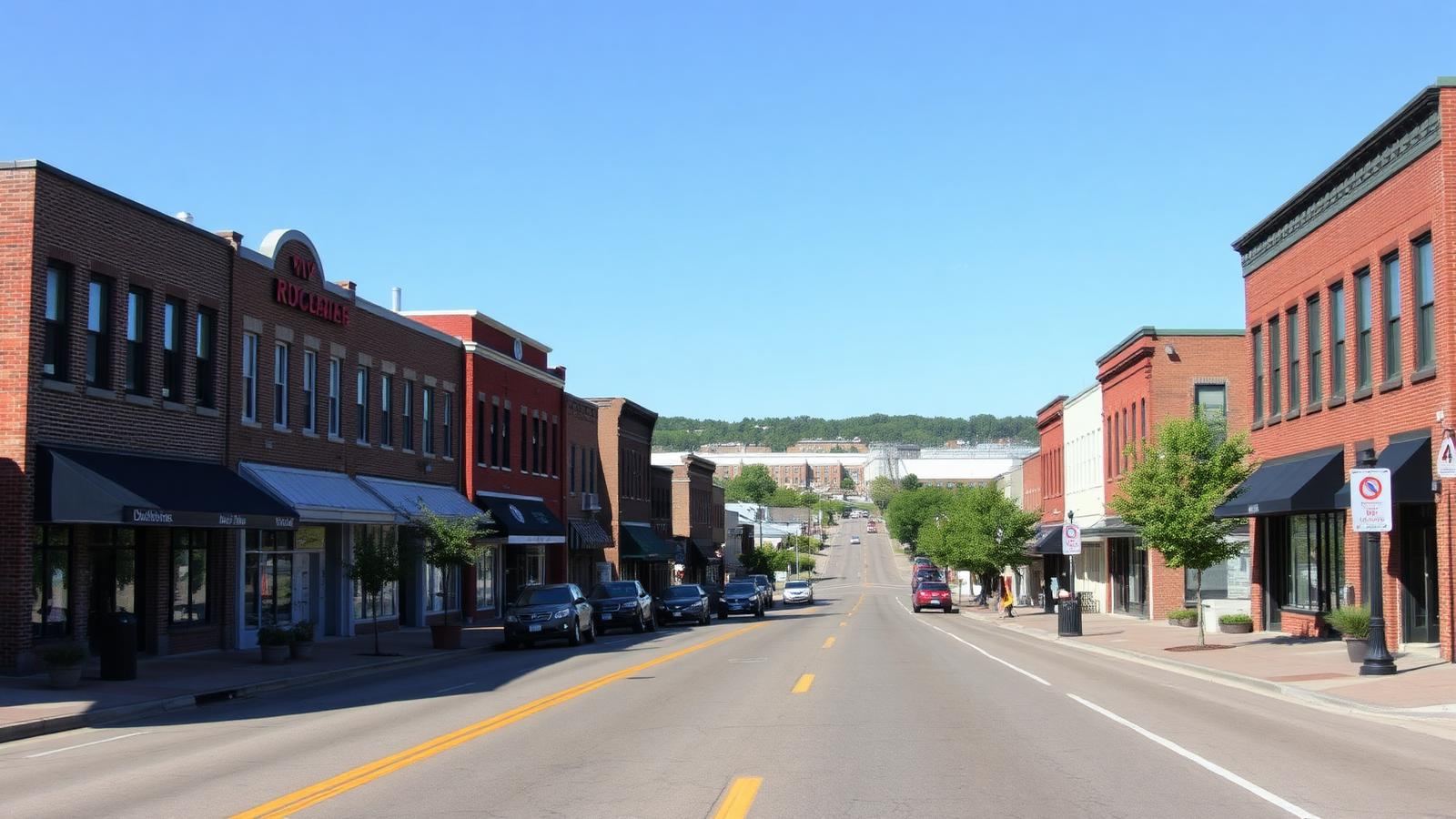
The Riverside traffic circle is the functional center of the corridor, where Route 24 meets Flanders Road and channels regional traffic between Riverhead, Hampton Bays, and the western Hamptons. Commercial uses here have historically been highway-serving: motels, auto repair and sales, fast-casual restaurants, and small service retail built for drive-by visibility rather than pedestrian frontage.
Parcels along the Peconic River side of the corridor carry a different character, with some frontage held for eventual mixed-use or waterfront-oriented redevelopment as the Town's revitalization plans have evolved. That river frontage is also where wetlands and floodplain review most directly affect what can be built.
The Overlay District, Sewer Timing, and Environmental Review
The Riverside Overlay District was created by Southampton Town to permit higher-density and mixed-use redevelopment than the underlying zoning would otherwise allow, specifically to encourage revitalization of this corridor. Density bonuses under the Overlay are generally tied to public benefit and, in many scenarios, to sewer connectivity rather than the individual septic systems most parcels currently use.
Sewer extension into Riverside has been discussed and planned in phases for years; where it stands at any given time materially affects what density a given parcel can actually support. Owners and buyers need current confirmation of sewer status rather than relying on the Overlay's stated maximums, since those maximums assume infrastructure that is not yet uniformly in place.
Peconic River frontage parcels are also subject to NYSDEC wetlands jurisdiction and FEMA floodplain mapping, both of which affect buildable envelope and financing terms for redevelopment along that edge of the corridor.
Confidential Representation Through a Revitalization Cycle
Owners of operating service commercial businesses along Route 24 generally prefer that a pending sale not become public knowledge among customers and neighboring operators, particularly while Overlay District planning is actively evolving and could affect perceived value. North Fork Commercial markets these properties directly to qualified redevelopment capital and private buyers rather than through open listings.
This also allows sellers to time a transaction around specific Town of Southampton planning milestones — a sewer extension approval or an Overlay District amendment — without tipping the market to a change that is not yet public.
How Riverside Property Is Actually Valued
Capacity is the central variable: whether a parcel can realistically connect to future sewer infrastructure, and what density the Overlay District would then permit, drives a wide range between as-is service commercial value and redevelopment value. Buyers underwrite both scenarios and weight them by their own view of infrastructure timing.
Access and visibility along the traffic circle and Route 24 remain meaningful for existing highway commercial uses, where curb cuts, sightlines, and turning movements affect operating revenue directly, independent of any future rezoning.
Entitlement timeline risk is significant here relative to more settled North Fork hamlet centers, because the Overlay District's benefits depend on infrastructure that is still being phased in. Parcels with river frontage or wetlands exposure carry an additional layer of NYSDEC and FEMA review that further separates submarket value within the corridor.
Frequently Asked
What is the Riverside Overlay District and how does it affect value?
It is a Southampton Town zoning framework that permits higher-density and mixed-use redevelopment along the Route 24 corridor than the underlying zoning would otherwise allow, often tied to sewer connectivity. Confirming current infrastructure status, rather than relying on the Overlay's stated maximums, is central to valuing a parcel accurately.
Is sewer service currently available in Riverside?
Sewer extension has been discussed and planned in phases for the corridor, and status changes over time. Any redevelopment underwriting should confirm current connectivity and capacity with the Town of Southampton rather than assuming full Overlay District density is achievable today.
Does North Fork Commercial publicly list Riverside properties for sale?
No. Given active revitalization planning and the sensitivity of existing operators, Riverside properties are marketed discreetly to qualified redevelopment capital and private buyers rather than placed on the open market.
Related East End Markets
Riverside is one of several East End markets we cover. Each underwrites differently — explore the corridor that matters to your property or acquisition mandate:
- Greenport commercial real estate — harbor, marina, and Front Street village inventory.
- Hamptons commercial real estate — village retail, mixed-use, and hospitality.
- Riverhead commercial real estate — industrial, flex, and Route 58 retail.
- Mattituck commercial real estate — vineyards, farmland, and Love Lane storefronts.
- Southold commercial real estate — hamlet centers, farmland, and development rights.
- Southampton commercial real estate — village retail, multifamily, and land.
- East Hampton commercial real estate — village commercial and constrained development sites.
- Montauk commercial real estate — marina, lodging, and downtown retail.
Start a Confidential Conversation
Kristopher J. Pilles, CCIM, MBA — 20+ years on the East End. Every inquiry is treated confidentially.
Riverside Property Inquiry
Tell us what you own or what you are looking for in Riverside. Kristopher J. Pilles, CCIM, MBA responds personally. Every inquiry is handled confidentially — we do not publicize listings, sales, or client names.